
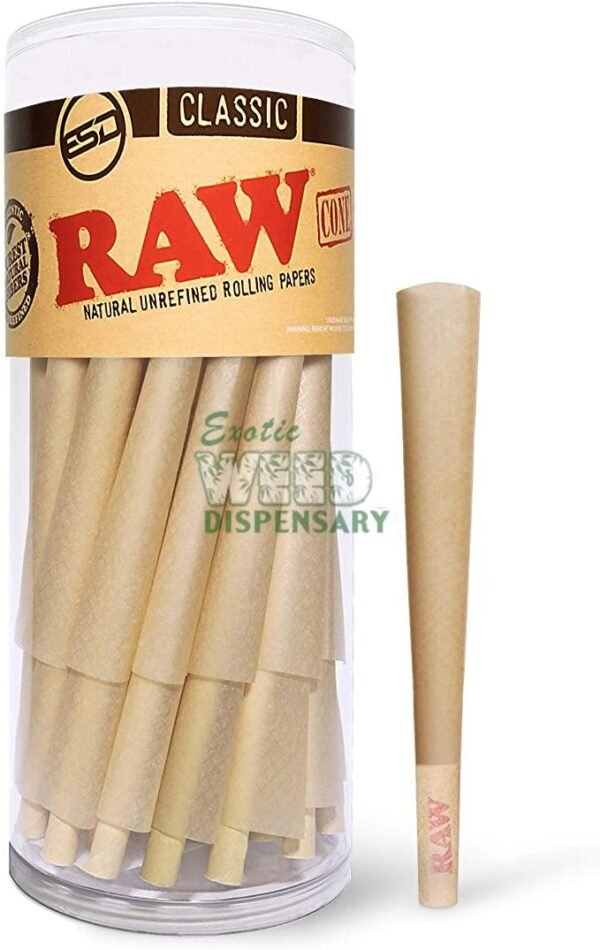
Rolling Papers Material
Rolling Papers are usually made out of hemp, wood pulp or rice. Each material has different benefits. For example, stay clear of rice rolling paper if you live in the Pacific Northwest, as the damp air and moisture can make them harder to roll. Hemp papers are thicker and easier to roll and have a medium burn time, while rice paper burns the slowest.Don’t forget to check out our pre-rolled cones — a perfect complement to rolling papers.
Thinner Rolling Papers
Thinner papers allow for a slower, more even burn, meaning you’re less likely to experience canoeing when toking. Plus, thinner paper allows for your flower’s flavor to shine, since you won’t be inhaling as much paper smoke. See if your favorite brands have an ultra-thin option, but buyer beware: they are more difficult to roll than a hemp option.
Grab A Crutch: While you’re out snagging papers, grab a pack of crutches as well. Crutches give the joint some stability (both when rolling and when you’re passing it around) and are easy to create.
Don’t Be Afraid to Ball Out: With the narrow price margin between low- and high-quality papers, sometimes it’s worth shelling out the extra dollar. Low-grade paper can lead to coughing fits, will be harder to roll and will burn faster, which is important if you don’t want to waste your good ganja.
Cannabis Rolling Papers: A Comprehensive Guide for Rollers of All Levels
Cannabis rolling papers are more than just a tool—they’re an essential part of the rolling experience. Whether you’re a seasoned connoisseur or a curious beginner, choosing the right rolling paper can elevate your session, enhance flavor, and ensure a smooth burn. With countless options on the market, it’s easy to feel overwhelmed. This guide breaks down everything you need to know about cannabis rolling papers, from materials to techniques, and answers the most frequently asked questions. Let’s dive in.
Understanding Cannabis Rolling Papers: What You Need to Know
Rolling papers are thin sheets used to encase cannabis flower, creating a joint or blunt. While traditional rolling papers were made of wood pulp, today’s market offers a variety of materials, flavors, and sizes to suit every preference. The right paper ensures even burn, minimal taste interference, and a comfortable smoking experience.
Top Types of Cannabis Rolling Papers (with Comparison Table)
| Material | Pros | Cons | Best For |
|---|---|---|---|
| 100% Organic | Natural taste, eco-friendly | Slightly higher cost | Flavor enthusiasts, eco-conscious users |
| Flavored | Adds unique taste (e.g., mint, citrus) | May overpower delicate strains | Users who enjoy adventurous flavors |
| Unflavored | Neutral taste, versatile | Slightly less eco-friendly (often wood pulp) | Pure strain enthusiasts |
| Pre-Inhaled | Pre-perforated for smoother draws | More expensive | Beginners, those seeking convenience |
| Mylar | Slow burn, durable | Can add synthetic taste | Long-lasting sessions, enthusiasts |
| Roll-Your-Own Cigar Wrappers | Rich, bold flavor | Thick, harder to roll | Bold flavor seekers, cigar lovers |
| Bamboo | Sustainable, tight, strong | Limited size options | Environmentally aware users |
| Corn Husk | All-natural, tight roll | May tear easily | Eco-conscious rollers |
| Cotton | Breathable, smooth texture | Slightly pricier | Those prioritizing comfort |
Factors to Consider When Choosing Rolling Papers
- Material Preference:
- Paper vs. Leaf Wrappers: Paper allows for consistent rolling, while natural leaf wraps (like hemp or rice paper) offer a raw, organic experience.
- Burn Time: Thicker papers burn slower (e.g., mylar), while thinner papers burn faster but may require more skill to roll evenly.
- Size and Shape:
- Standard sizes range from 25mm to 55mm, with lengths between 40mm and 80mm. Choose a size that fits your rolling style and hand size.
- Coatings and Flavors:
- Some papers are coated with natural gum (e.g., grain or fruit) for added stickiness and flavor. Avoid artificial additives if you prefer a pure experience.
- Taste vs. Performance:
- Flavored papers add character but may clash with certain strains. Pre-inhaled papers are convenient but can be costlier.
Tips for Rolling the Perfect Joint
- Grind Lightly: Overgrinding can make rolling messy. Use a coarse grind for airflow.
- Toss, Don’t Pack: Distribute the flower evenly using a “toss and roll” motion.
- Humidity Matters: Store papers in a cool, dry place. Too dry? Mist your hand slightly before rolling.
- Use a Buddy: Two hands make rolling easier—ask a friend to help shape the joint.
- Test the Seal: After rolling, light the end to check for leaks or uneven burn.
10 FAQs About Cannabis Rolling Papers
1. Are rolling papers legal everywhere?
Rolling papers themselves are legal in most places, but cannabis laws vary widely. Always check local regulations.
2. Can I use regular notebook paper for rolling?
Not recommended! Notebook paper contains chemicals that can be harmful when burned. Stick to papers designed for rolling.
3. What’s the difference between cigarette and cannabis papers?
Cigarette papers are treated with additives to control burn (e.g., phosphate coatings), while cannabis papers are typically additive-free to preserve flavor.
4. What’s the best material for a beginner?
Unflavored cellulose papers are user-friendly, easy to roll, and affordable.
5. How should I store rolling papers to keep them fresh?
Store in an airtight container in a cool, dry place. Avoid exposure to direct sunlight or moisture.
6. Are organic rolling papers worth the extra cost?
Yes, if you prioritize sustainability and pure flavor. Organic papers are free from chemicals and pesticides.
7. Can I recycle rolled-up joints?
Empty, unburned joints can be re-rolled with fresh flower. Avoid using old ash or debris.
8. Are there vegan rolling papers?
Many brands offer vegan-friendly papers, but always check ingredient lists for animal-derived products.
9. What are the pros and cons of mylar papers?
Pros: Slow burn, durable. Cons: Can feel synthetic and may require more trimming to avoid a gap.
10. How do coated papers affect taste?
Coated papers (e.g., with fruit or grain) add subtle flavor but may alter the experience. Stick to unflavored papers for authenticity.
Final Thoughts
Cannabis rolling papers are a gateway to customization, creativity, and comfort. By understanding materials, sizes, and techniques, you can tailor your rolling experience to match your preferences. Whether you’re chasing the smoothest draw, the purest flavor, or the most eco-friendly option, there’s a perfect paper out there for you. Experiment with different types, and don’t be afraid to ask questions—after all, the best rolls are the ones that make you smile.
Happy rolling! 🌿

Reviews
There are no reviews yet.